A protester has climbed on to the balcony of the Iranian embassy in west London as hundreds gathered outside the building, waving flags and shouting anti-government slogans.
The Metropolitan Police said two arrests had been made at the protest and that officers were also seeking another individual for trespass.
Anti-government protests erupted in Iran on 28 December, with two human rights groups reporting that at least 50 protesters have been killed.
Protesters demonstrating against the Iranian regime have been gathering outside embassies across the world.
Earlier on Saturday, the Met said additional officers had been deployed to the protest "to prevent any disorder".
Confirming the arrest of two individuals on Saturday evening - one for aggravated trespass and assault on an emergency worker and one for aggravated trespass - police said the protest was continuing but being "safely policed".
"We saw no serious disorder and officers will remain in the area to ensure the continued security of the Embassy," a statement said.
Footage on Saturday showed a man standing on the London embassy's balcony and tearing down the Iranian flag. The embassy later posted a picture on its X account of the flag back in place.
Others at the protest in Kensington held up pictures of Reza Pahlavi, the exiled son of Iran's last shah (king) Mohammad Reza Shah Pahlavi, who was ousted in 1979 when the revolution swept away Iran's monarchy.
Many demonstrators in Iran have been calling for Reza Pahlavi's return.

In a joint statement released last week, UK Prime Minister Sir Keir Starmer, along with the leaders of Germany and France, said they were "deeply concerned about reports of violence by Iranian security forces, and strongly condemn the killing of protesters".
"The Iranian authorities have the responsibility to protect their own population and must allow for the freedom of expression and peaceful assembly without fear of reprisal," French President Emmanuel Macron, German Chancellor Friedrich Merz and Starmer said.
The protests, which have now entered their 13th day, erupted over the economy and have grown into the largest in years - leading to calls for an end to the Islamic Republic and some urging the restoration of the monarchy.
Iran's Supreme Leader Ayatollah Ali Khamenei has called anti-government protesters "troublemakers" and accused them of trying "to please the president of the US".
An internet blackout is currently in place across the Middle Eastern country.
The BBC and most other international news organisations are barred from reporting inside Iran, so social media is often relied upon to verify what is happening on the ground.
latest_posts
- 1
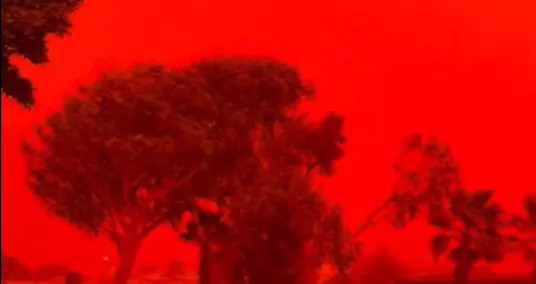
 Cyclone Narelle turns Australian skies blood red in ‘apocalyptic’ scenes
 - 2The Solution to Individual budget: Dominating Cash The board
- 3Are protests pushing Iran's Islamic regime toward a tipping point?
- 4Artemis 2 astronauts are now headed to the moon. Why has it taken humanity so long to go back?
- 5RFK Jr. says he's following 'gold standard' science. Here's what to know



- Wolf bites woman in a shopping area in Germany's 2nd-biggest city
- Northern lights chances rise for Christmas as space weather remains unsettled
- 'Wow!' The eye surgery marathon that restored sight for some South Africans
- Authorities arrest 7 bodyguards in connection with a Mexican mayor's assassination
- 'Wuthering Heights' trailer features Margot Robbie and Jacob Elordi in a steamy forbidden romance
- Israel faces widespread condemnation as NGO ban comes into effect
- Figuring out the Business venture Code: The Response to Building an Effective Startup
- Fireball sightings are surging across the US — here's what's really going on
- Defense Minister Katz moves to extend IDF service to 36 months